Last time, I offered my definition of Theology:
Theology is the creation of forms symbolic of human feeling about God.
I want to say a bit more about feeling, specifically our feeling of utter dependance on God.
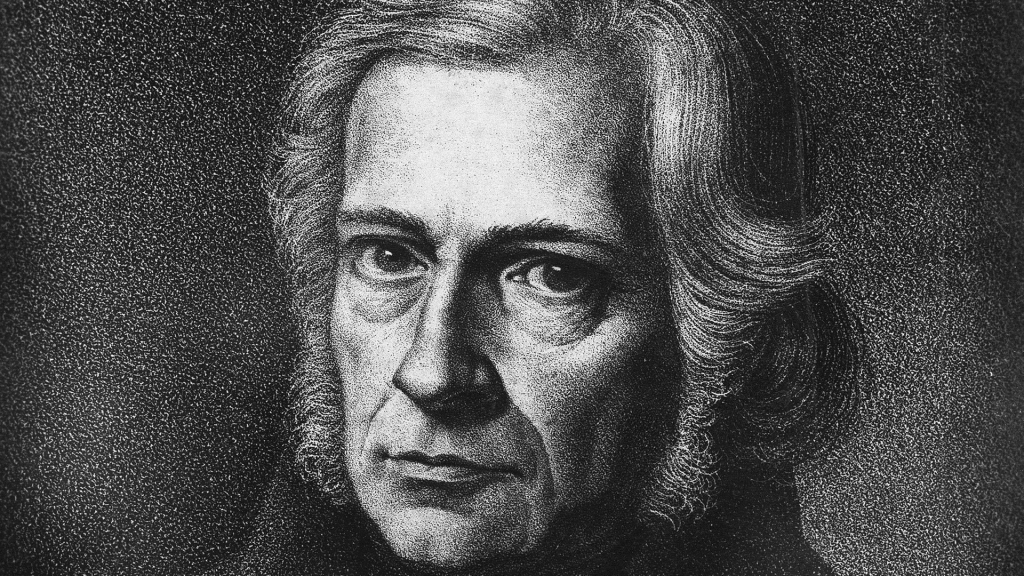
Theology is not inviting us to describe just some thoughts and opinions about God. Theology wants us to god deeper than that. Theology wants us to reflect on the ways we’ve come to grips with the reality that all we have and all we are is a gift from God. Friedrich Schleiermacher called this a “feeling of utter dependance.”
When I say “all that we have and all that we are” we may chafe a bit. We may think to ourselves, “Well, I work very hard at my life and I put my nose to the grindstone, and – yeah – I get it that God make it possible for us to do what we do, but don’t I deserve a little credit?”
Sure. Yes. But that’s not precisely what I’m talking about. Let me try again.
Unless you believe there is “nothing out there” and that your existence is the result of chance occurrences in the universe, then you understand that your entire being was caused by God, right?
Ask yourself: “Did I bring myself into being? Is the reality that I exist a result of anything I’ve done? Did I create myself?” When we talk of “utter dependance” this is what we’re talking about.
We’re talking about the recognition that we did not create ourselves. Someone/something else did that.
Let me ask another: Do you ever felt like you were “spared” something that was coming? Maybe it’s a physical injury or harm, maybe it is an emotional or interpersonal conflict or punishment, but have you ever felt like you “dodged a bullet” and can’t really explain why you didn’t have to meet that calamity head on? Have you ever felt like you got a “second chance” and you are so incredibly grateful for it? Who among us hasn’t thought “If I had been 5 seconds slower that X would have hit me”?
Or how about this: Have you ever felt like you, somehow, had the endurance to weather a storm? Have you persevered through tragedy and hardship and wondered, afterward, how you had the strength to do what you did? Have you said any version of “I survived, but I have no idea how”?
What I’m saying is when we recognize that these kinds of things have happened – and that they are virtually unexplainable through normal empirical channels – we start to get the sense that there has always been “someone watching out for us” and that we owe that “someone” a big debt. We feel indebted to them. We feel dependent on them. And given that we’re talking about our very lives that feeling of dependence is profound. It is “utter.”
This is where theology comes from.
Theology is not made up words that we string together because they sound good.
Theology is our attempt to describe that feeling of utter dependence on God.*
That’s it.
But – and here’s the fun part – you aren’t the only person to have these experiences and feelings…
_ _ _ _ _
*I’m gonna get ahead of things for a second and do some “formal theology” here. Take a look at the three sets of questions I asked above. Those are some pretty common experiences, and they have led humans to talk about God in a particular way: as Creator, Savior, and Sustainer.
It’s because humans have had those experiences over and over that we have started to recognize that God is working in three distinct ways, and we give that recognition a name: The Trinity.
All we are doing when we say “Father, Son, and Holy Spirit” is trying to describe the significant ways we have experienced our profound – “utter” – dependence on God.


 PLGRM
PLGRM 
Leave a comment